Homeowner guide
Understanding Wood Siding Repair Methods in Dayton, OH
By Wood Siding Repair & Painting ·
Wood siding repair in Dayton, OH restores damaged exterior surfaces by addressing rot, cracks, and weather exposure through removal, surface preparation, and installation matched to existing profiles using cedar, redwood, pine, and cypress materials.
How does wood siding repair address rot and weather damage?
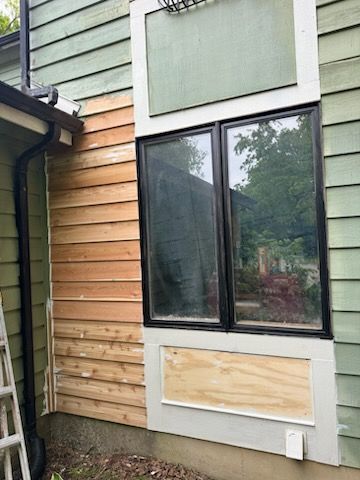
Repair begins with removing compromised sections to expose sound wood, then treating the area to prevent further decay before installing replacement boards.
Rot typically develops where moisture penetrates joints, trim connections, or areas with inadequate paint coverage. Contractors remove damaged boards back to solid material, inspect underlying sheathing for water intrusion, and apply wood preservatives to exposed surfaces. Replacement boards are cut to match the original profile and thickness, ensuring a seamless visual transition.
Weather damage from freeze-thaw cycles and UV exposure causes surface cracking and splitting. Repair work includes filling minor cracks with exterior-grade wood filler and replacing boards with deep splits or structural compromise. Proper surface preparation before painting extends the lifespan of repaired sections.
Which wood species work best for siding repairs in Ohio?
Cedar and redwood offer natural rot resistance, while pine and cypress provide cost-effective alternatives when properly sealed and maintained.
Cedar contains natural oils that resist moisture and insect damage, making it ideal for exposed areas prone to weather stress. Redwood shares similar properties and holds paint well over time. Pine requires thorough priming and sealing but matches many existing installations in older Dayton neighborhoods.
Cypress combines durability with dimensional stability, reducing warping in humid conditions. Material selection depends on matching existing siding profiles and grain patterns. Contractors source boards that align with the home's original construction to maintain consistent appearance across repaired and original sections.
What preparation steps ensure lasting wood siding repairs?
Surface preparation includes cleaning, sanding, priming bare wood, and sealing all edges and joints before installation to prevent moisture infiltration.
Contractors remove loose paint, dirt, and mildew from surrounding areas using scrapers and pressure washing. Sanded surfaces create proper adhesion for primers and paint. All cut edges and back surfaces of replacement boards receive primer coats before installation, protecting against moisture absorption from behind.
Caulking joints between new and existing boards, around trim, and at penetrations creates a continuous moisture barrier. Proper flashing above windows and doors directs water away from vulnerable seams. These preparation steps prevent premature failure of repair work.
When should homeowners consider full siding replacement over repairs?
Replacement becomes necessary when damage affects more than 40 percent of wall surfaces or when underlying sheathing shows widespread rot or structural issues.
Isolated damage from impact, localized rot, or a few cracked boards typically warrants targeted repairs. Extensive damage from years of deferred maintenance, widespread paint failure, or multiple areas of rot often makes replacement more cost-effective than piecemeal repairs.
Homes with original siding from the 1970s or earlier may benefit from replacement if boards show thinning, warping, or loss of structural integrity across multiple elevations. A thorough inspection reveals whether repair or replacement delivers better long-term value.
How does Dayton's climate affect wood siding repair timing?
Dayton's freeze-thaw cycles and humid summers create ideal conditions for wood damage, making spring and fall optimal seasons for repair work when temperatures support proper curing.
Winter moisture and ice expansion accelerate rot in compromised boards, while summer humidity slows paint drying and can cause premature failure of finishes applied in extreme heat. Spring repairs address winter damage before summer storms, and fall work prepares homes for winter weather.
Scheduling repairs during moderate temperatures between 50 and 85 degrees allows primers and paints to cure properly. Contractors avoid working during rainy periods or when overnight temperatures drop below 40 degrees, which can compromise adhesion and finish quality.
Wood siding repair restores your home's exterior protection and appearance through careful material selection, thorough preparation, and proper installation techniques. Wood Siding Repair & Painting delivers expert wood siding repair in Dayton using matched materials and proven methods that address both visible damage and underlying causes. Schedule a detailed inspection to identify repair needs and explore deck services in Dayton for comprehensive exterior maintenance solutions.
More guides
Recent work
See all our work →
Your home. Your peace of mind.
Seeing something like this on your house?
Honest recommendations. Quality workmanship. Personal care.
Get my free estimate